Bubble Wrap vs EPE Foam: Which Cushioning Should You Use?
Procurement teams often treat bubble film and EPE foam as interchangeable cushioning. They are not. One is air trapped in LDPE; the other is expanded polyethylene with a closed-cell structure. The right choice depends on how the part fails and how the carton is handled.
What bubble film does well
Bubble roll distributes shock across a surface. It is fast to wrap, cheap per square metre, and easy to inspect. Fine bubbles (10mm) suit scratch-sensitive faces; larger bubbles (25mm) suit drop energy. It is the default inner for e-commerce and glass.
What EPE foam does well
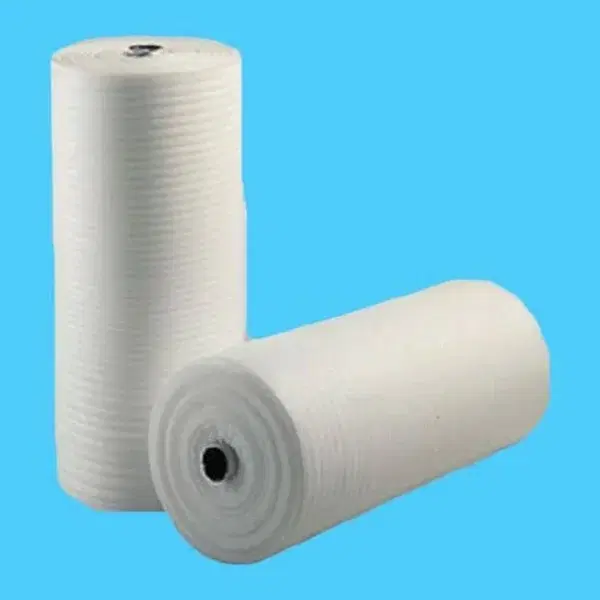
Foam resists abrasion and repeated compression better than bubble. Corners, furniture edges, and machined metal benefit from a foam pad that does not go flat after one warehouse drop. Thickness from a few millimetres to several centimetres can be cut to the part.
- •Choose bubble when you need wrap speed and distributed cushioning.
- •Choose foam when edges, vibration, or scuffing are the failure mode.
- •Combine both for long export: foam at contact points, bubble as an outer wrap.
Cost is not only rupees per kilo
Foam costs more per kilogram. Damage, returns, and labour to wrap a sofa can cost more than the material. Furniture plants in India often convert bubble covers plus foam corners for that reason.
Ask for a sample pack, not a catalogue page
Send us the part, the carton inner size, and the lane (domestic, GCC, Europe, US, Africa). We will suggest bubble size, foam thickness, or a converted cover — and say when a spec is outside what we run in Peenya.
Products mentioned
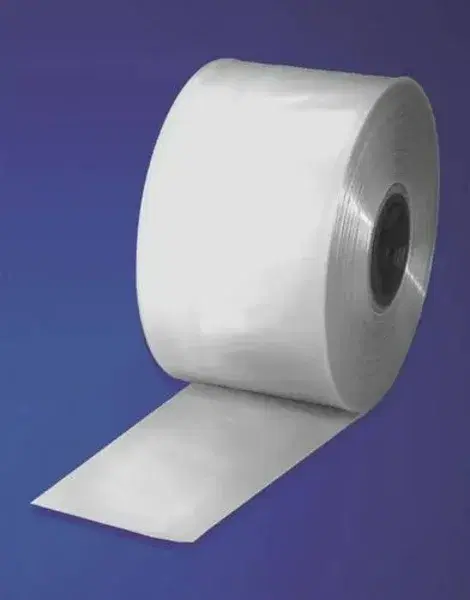
- Plastic Bubble Roll — Protective film
- EPE Foam — Cushioning
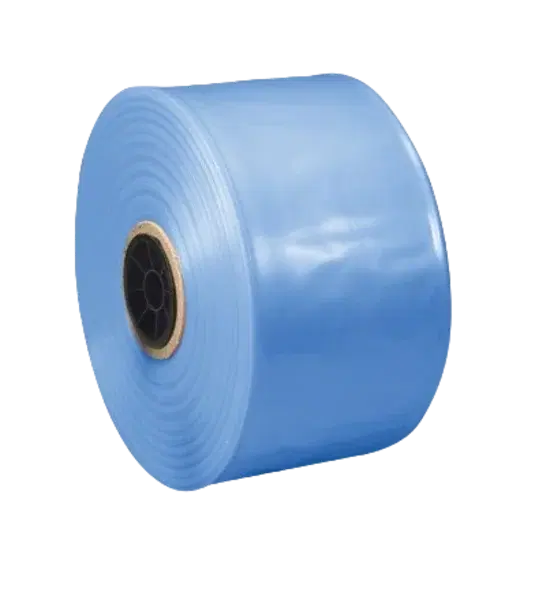
- Bubble Covers — Converted goods
Get a spec from the plants
Samples and quotes for buyers in India, South Asia, the Middle East, Europe, the US, Africa, and Russia. Confirmed export lanes: Hong Kong and the UAE.
Request a quote